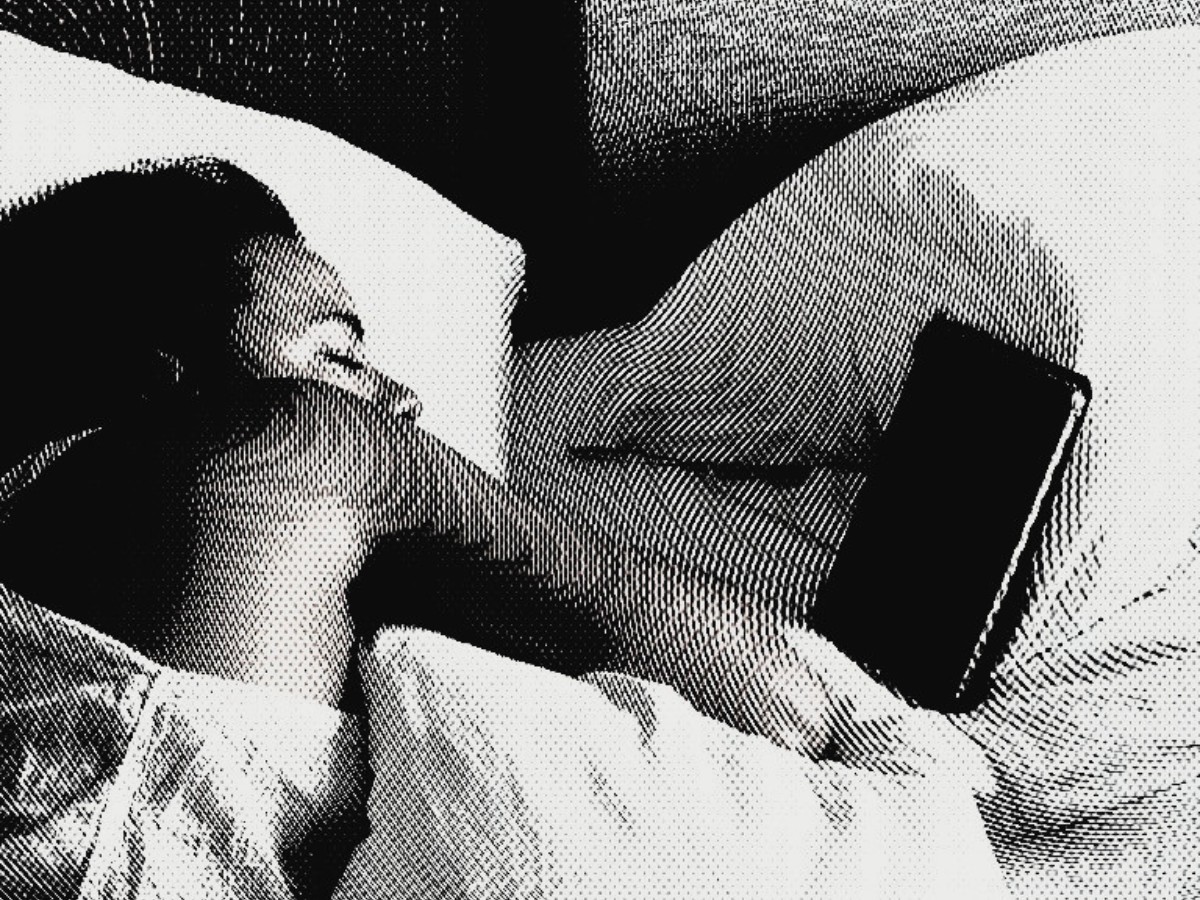
After lunch, we got back to our hotel room in Singapore and started doing some travel planning. During a lull in our planning, I laid down and opened Breathing Lessons by Anne Tyler, a book I borrowed from the digital library the night before. Soon after, I fell asleep.
“Oh hi,” said my husband with a smile when I woke up three hours later and looked at him, disoriented. I noticed he had taken my Kindle and put it aside while I was asleep, and he had also finalized our travel plans to Jakarta.
Today, I am still thinking about that nap for two reasons. One, it was a really good nap. The kind you can wake up from at any time because you don’t have plans for the rest of the day and then you get up and grab a snack. And two, I somehow managed to feel a tinge of guilt for taking a nap that good.
Why did I feel guilty about taking a nap? Sleep is important after all, right? Still, I couldn’t help but feel like I wasted a part of the day that I could have used to see something amazing outside, do something productive, or something enjoyable. It felt like a wasted opportunity. Like when it’s finally the weekend and you get to do all this stuff you want to do, but decide to sleep instead. Or like a beautiful spring day that went by unexperienced because you were overtaken by sleep. Part of me even felt like one of my aunts from childhood was going to pop out of nowhere and tell me I wasted the day sleeping too much and that I should get up and go clean the bathroom.
This got me thinking about a few things. First, how important is sleep, really? Can I simply justify my naps and remove the guilt? Second, although my sleep schedule is generally pretty good, there’s always room for improvement. What is the best way to optimize sleep in our lives and treat it as an area that needs attention and direction, rather than something that just happens to us daily?
So I went down a sleep rabbit hole. I have to admit I lost a little sleep researching the history of sleep science and practical advice, but my goal of justifying my nap to alleviate the guilt ACTUALLY paid off. So it was worth it. Or was it?
According to the CDC, adults who regularly sleep less than seven hours are more likely to experience obesity, diabetes, high blood pressure, coronary heart disease, stroke, mental distress, and impaired cognitive performance. That means sleep needs to be one of those self-care practices we prioritize daily, along with the other aspects of our mental and physical health that support longevity.
Just as our bodies need rest after exercise, our brains need sleep (and a literal rinse of spinal fluid) to help flush metabolic waste and excess proteins from our tissues. As someone who makes the bed every day, I love the idea of having a squeaky-clean brain every morning.
I also found some fascinating sleep facts:
- Approximately 12% of people report dreaming only in black and white.
- The full moon may make it harder to fall asleep. A Swiss study reportedly found that people sleep less during a full moon. One theory is that humans may be naturally attuned to lunar cycles. (This one is for my brujas in the chat.)
- Parasomnia is a sleep disorder in which someone can walk, talk, or perform complex actions while still asleep, with little or no memory of it afterward. One example is sleep texting. In a survey of 372 college students, 25.6% reported sending texts while asleep, and a whopping 72% of those who reported sleep texting said they had no memory of texting. (WHAT?)
- Another example of parasomnia is sleepwalking. In 1987, a man drove roughly 14 miles to his in-laws’ home while asleep, killed his mother-in-law, and seriously injured his father-in-law. At trial, experts testified that he had been sleepwalking. The verdict basically rested on the jury accepting that he had acted without conscious control. You can read the Supreme Court of Canada case, R. v. Parks.
Fortunately, I don’t suffer from any of these conditions, but it doesn’t make my sleep (or yours) any less important. Still, let’s celebrate the fact that we aren’t waking up and making 50 salt sandwiches or preparing buttered cigarettes to eat in our sleep and not having any memory of it.
So how can we improve our sleep?
Most of us have heard the standard advice: no screens before bed; keep a consistent sleep schedule; keep the room cool (around 65°F), dark, and quiet; crack a window; avoid exercising too close to bedtime; don’t eat right before bed; and watch your alcohol and caffeine intake throughout the day. I also discovered a few other sleep disruptors you may not have heard of:
- Get morning light and move your body during the day. I personally go for a short walk right after I wake up.
- Keep naps short and early, or skip them if they make nighttime sleep harder. A famous NASA study of pilots found that a planned nap of about 26 minutes between 1–3 p.m. improved alertness and performance.
- If you’re in bed and can’t sleep after what feels like 20 minutes, get up and do something quiet in dim light. Come back to bed when you feel sleepy. This helps you associate your bed with sleep rather than wakefulness.
- Keep your pillows clean! Dust mites can build up in bedding and worsen allergies, so wash your pillowcases regularly, use allergen-proof covers if needed, and clean or replace your actual pillows according to the manufacturer’s instructions.
These are all part of a self-care routine that helps us take our sleep habits seriously. But what are some of the things that still hold us back from getting good sleep, even when we have a good routine? For most people, it’s about turning off the brain and actually falling asleep.
To fall asleep…
Try cognitive shuffling instead of counting sheep. Pick a neutral word you don’t have an emotional association with, like “ROAD” or “OUTSIDE.” Then think of neutral words that start with “R” until you run out of words. Do the same with “O,” then “A,” then “D.” I usually don’t get past the first letter before I’m knocked out.
Also, because it is extremely rude of our brains to want to think of EVERYTHING when it is time to sleep, if you find yourself looping over all the things in your life, try writing down tomorrow’s tasks and worries in the evening so they don’t follow you into bed.
If that doesn’t work, try slow breathing, meditation, or progressive muscle relaxation. There are tons of apps for this (like Calm and Open), as well as good ol’ YouTube.
If something’s bothering you and you don’t know what it is, or you do, but can’t put your finger on it, you can also try my SHIFT workbook to help organize your thoughts and turn a looping worry into a named plan. That process can transform your ruminations into problem-solving and convert that dread into motivation.
So there’s really no reason for you or me to feel guilty about a little nap in the middle of the day or sleeping in on the weekends. The more I learn that sleep is neither a lifestyle nor a luxury I can take or leave, but a non-negotiable biological necessity, the less guilt I feel. Taking care of your sleep is no different from prioritizing a healthy meal or a bit of exercise, those are things we don’t feel guilty about. Right? Sleep should also be guilt-free.
Since that nap and the research it inspired, (whether I am sleepy or not), I’ve started turning on the AC to cool down the room, turning off all the lights except lamps or reading lights, and plugging my phone in across the room rather than leaving it on my nightstand. My husband and I have also worked on wrapping up exercise and dinner by 7 p.m. We might decide to watch a couple of episodes of Adults until 10 p.m., but after that, we strictly read and start to find our sleep.
So sleep, sleep, sleep and do it well! Needing rest is not an inconvenience or an obstacle to overcome. The hours you spend asleep are not hours you are losing from your life. They are hours that help you live well.
The science behind this essay comes from the CDC’s research on sleep and chronic disease; research on cerebrospinal fluid movement during sleep and a systematic review of sleep and the brain’s glymphatic system; Eva Murzyn’s 2008 study on black-and-white dreams; Christian Cajochen and colleagues’ 2013 study on lunar cycles and sleep, alongside subsequent research that did not replicate its findings; Dowdell and Clayton’s study of sleep texting among college students; NASA’s 1994 study on planned cockpit naps; the American Academy of Sleep Medicine’s behavioral treatment guidelines; National Sleep Foundation recommendations for healthy sleep; the American Academy of Allergy, Asthma & Immunology’s guidance on dust mites and bedding; and Scullin and colleagues’ 2018 study on writing bedtime to-do lists. And for more on cognitive shuffling, see The Washington Post’s article on using the technique to fall asleep.
Continue reading
 September 3, 2026
How Self-Talk Shapes Your Life
The voice in your head isn’t harmless—it decides what you risk, create, and believe you’re allowed to want.
 August 23, 2026
Give the Present Its Flowers
I'm living the life I used to daydream about, and I still catch myself asking what's next. On hedonic adaptation and staying present.